


Journal

China travel planning guides before the trip.

Practical guidance for first-time China travel, custom itinerary design, payments, seasonality, route pacing, and the support layer that makes the journey smoother.

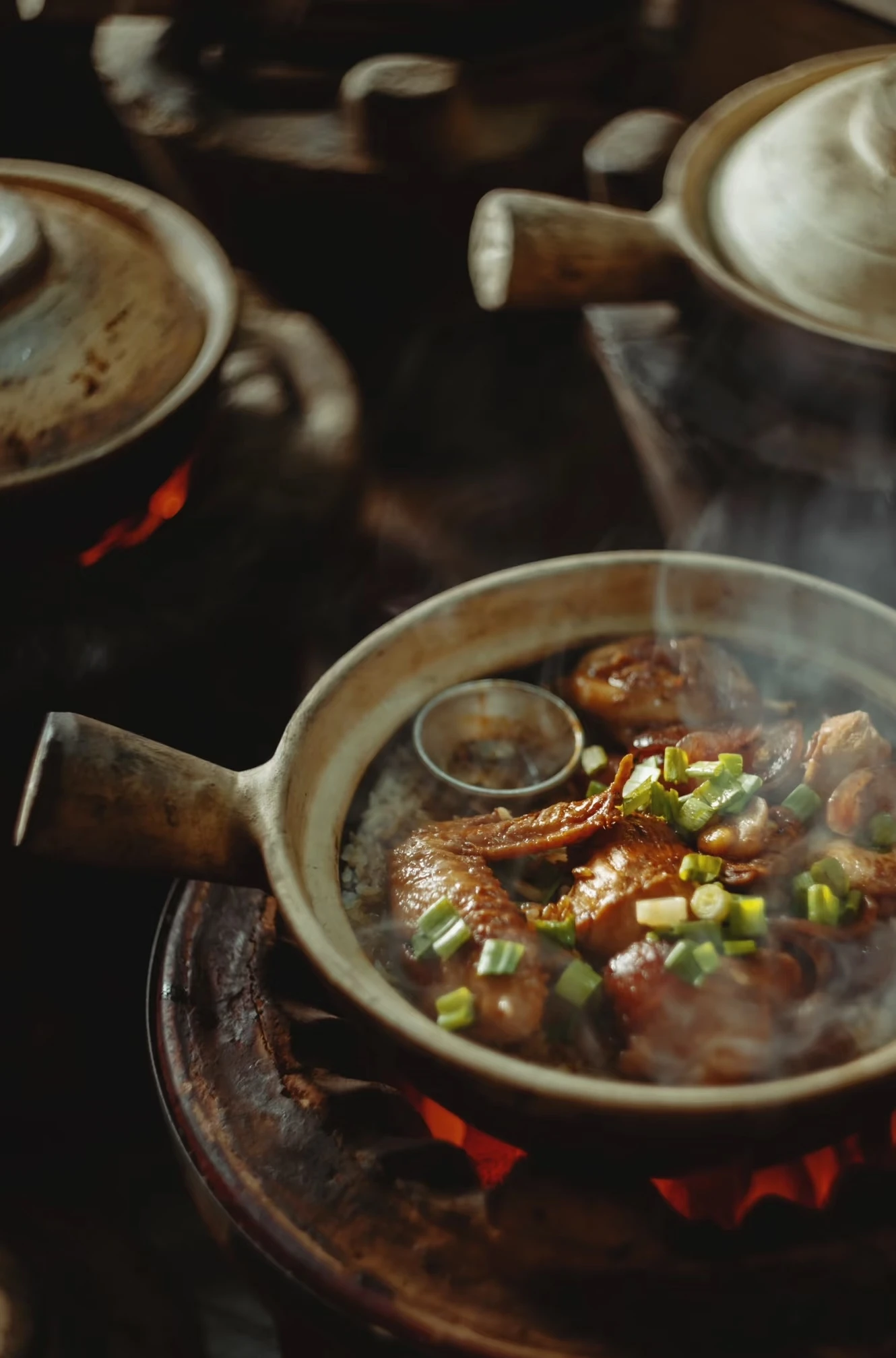
Street life and local texture in China
Craft detail from a China travel story
Western China trail and travel notes
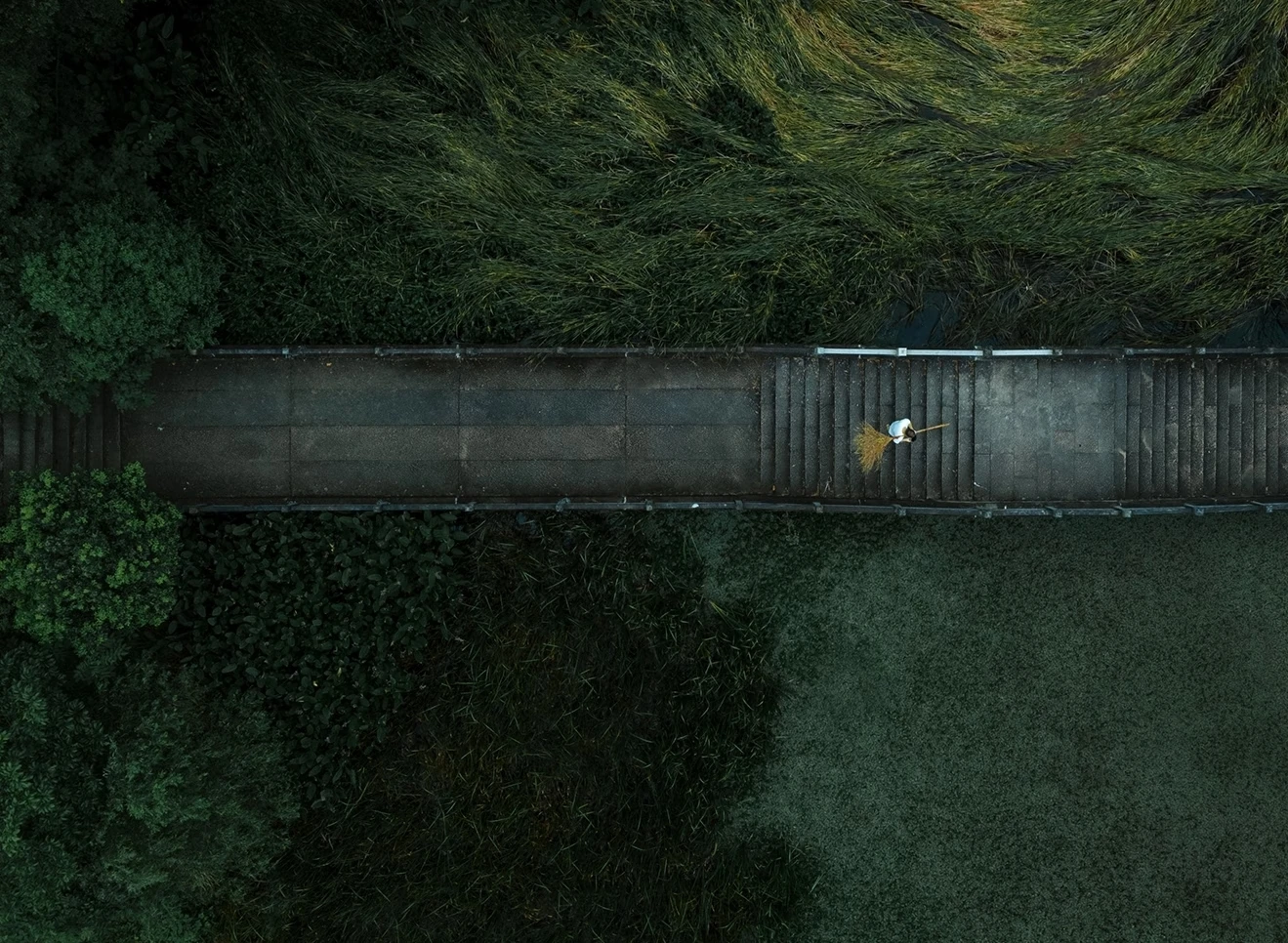
Dark moody aerial landscape with boat
First-Time China Travel Notes Food & Culture Route Thinking
First-time China journal feature

Featured Guide

First-Time China, Without The Panic.

The practical layer that usually creates hesitation: payments, apps, movement, stations, language, and what a travel day really feels like once you are here.

Latest Notes

Planning notes with a clear job.

Short pieces that answer real questions before a private China trip is designed.

Where scenery becomes culture

Where Scenery Becomes Culture

Why the strongest routes keep place, people, and atmosphere connected.

Read Article
Why western China changes the pace

Why Western China Changes The Pace

Altitude, scale, and a different sense of distance once you move west.

Read Article

How Payments, Apps, and Everyday Travel Actually Work

The practical layer visitors usually worry about before they arrive.

Read Article

When To Visit China, If You Care About Atmosphere

More about rhythm, visibility, festivals, and the feeling of travel.

Read Article

How A Good China Route Is Actually Designed

Why pacing, transfers, hotel rhythm, and region pairing matter more than a checklist.

Read Article

First-Time China, Without The Panic.

China is not difficult in the way many first-time visitors imagine. The challenge is usually not the country itself, but the number of unfamiliar systems that arrive at once: mobile payments, station scale, local apps, language gaps, meal rhythm, and the speed at which big cities move.

A good first trip should reduce those unknowns before arrival. Travelers do not need to become experts in every app or every local habit. They need enough preparation to understand what will happen on the ground, and enough support to avoid spending the trip solving small practical problems.

What usually creates stress

The first friction point is often payment. Many everyday transactions are built around phone-based systems, and visitors can feel unsure about what will work before they arrive. The second is movement. Airports and high-speed rail stations are efficient, but large. The third is decision fatigue: where to eat, how early to leave, which entrance to use, and what to do when the plan needs a small adjustment.

What makes it feel manageable

The answer is not to over-plan every hour. It is to design the trip with clear handoffs: arrival support, the right hotel locations, sensible transfer timing, restaurant and food planning that matches the traveler, and a simple explanation of what each day requires. First-time travelers should know where the friction may appear, but they should not have to carry it alone.

Useful planning signal: Tell us what usually makes travel stressful for you: language, movement, food, payments, pace, or too many decisions. That answer shapes the support layer.

Where Scenery Becomes Culture

The strongest China journeys do not treat scenery as a backdrop. They connect the visible landscape to the people who live inside it, the food that comes from it, and the habits that have grown around it.

A mountain view is more meaningful when the day also includes the village road below it, the meal cooked from nearby fields, or the temple, courtyard, tea house, or market that explains how people use the place. This is why route design matters. A trip can easily collect beautiful views and still feel thin if each stop is treated as a picture rather than a living setting.

Designing around atmosphere

A cultural route does not need to be lecture-heavy. Often the better approach is to slow down enough for the traveler to notice patterns: what people eat for breakfast, how old and new neighborhoods meet, how a garden changes in different light, why a craft tradition belongs to one place and not another.

When scenery carries meaning

Rivers shape trade and settlement. Mountains shape movement and belief. Rice terraces reveal labor, season, and community. Desert edges change architecture, food, and pacing. When the route explains these connections without overloading the traveler, scenery becomes more than visual pleasure. It becomes context.

Route principle: Pair major landscapes with smaller human-scale stops. The contrast is what makes a place stay in memory.

Why Western China Changes The Pace

Western China rewards travelers who allow more space between moments. Distances feel larger, weather can matter more, altitude may affect energy, and the day often needs a different kind of rhythm.

The mistake is to plan western routes with the same density as a city-and-rail itinerary in eastern China. On paper, several stops may look close enough. On the ground, a transfer can become part of the experience: valleys, passes, road conditions, light, and recovery time all shape the day.

Less compression, better experience

A stronger western route usually needs fewer hotel changes, more buffer, and a clearer reason for each long movement. Travelers should know which days are scenic transfer days, which days are active, and which days are deliberately lighter. This is not a compromise. It is how the region becomes enjoyable instead of exhausting.

Support matters more out west

Western routes often benefit from stronger local coordination: drivers who understand the road, guides who can explain cultural context respectfully, and hotels chosen for location and recovery rather than only style. The goal is not to remove adventure. It is to keep the adventure from turning into avoidable friction.

Best fit: Western routes suit travelers who want scale, landscape, minority cultures, and a slower sense of movement.

How Payments, Apps, and Everyday Travel Actually Work

Many visitors worry that everyday systems in China will be hard to use. The concern is understandable. Daily life can feel highly digital, and small tasks often involve tools that may be unfamiliar before arrival.

The most useful preparation is practical rather than technical. Travelers should know which situations may require mobile payment, where cash or card may still be useful, how hotel staff and guides can help, and what should be tested before the first travel day. The details can change, so the right approach is to verify the current setup before departure rather than rely on old advice.

Think in travel scenarios

Instead of memorizing every platform, think through common moments: buying a drink, entering a station, calling a car, checking a map, translating a menu, contacting the hotel, and meeting a guide. Each moment needs a simple fallback. Good planning gives travelers those fallbacks before they need them.

Where support changes the trip

For independent days, we can prepare practical notes. For guided or supported days, the local team can handle the heavier coordination. For complex transfers, the point is not just booking transport, but making sure the traveler knows where to stand, who is meeting them, and what to do if the timing shifts.

Before arrival: Confirm payment setup, communication channels, transfer contacts, and the first day's meeting plan.

When To Visit China, If You Care About Atmosphere

The best time to visit China depends less on a single perfect month and more on the feeling a traveler wants from the trip: clear mountain air, soft garden light, food markets in full rhythm, festivals, warmth, snow, or quieter museums.

China is too large for one seasonal rule. A month that feels ideal in one region may be less comfortable in another. The smarter question is not simply "When is the best time?" but "Best for what kind of route?"

Match season to route, not the other way around

A first-time cultural route can work across a broad window if the pace is right. A mountain or western route needs more careful attention to weather, road conditions, altitude, and daylight. A food-focused route may be shaped around seasonal produce, regional specialties, or indoor-outdoor balance. A garden route may depend on light, blossom, humidity, and crowd rhythm.

Atmosphere includes people

Holidays, school breaks, exhibitions, and local events can change how a place feels. Sometimes that energy is part of the reward. Sometimes it is exactly what a traveler wants to avoid. Good timing is not only about climate; it is about the human rhythm of the destination.

Planning question: Do you want China at its most vivid, most comfortable, most photogenic, or most quiet? The answer changes the route.

How A Good China Route Is Actually Designed

A route is not a list of places. It is a sequence of energy, movement, context, and recovery. The order matters as much as the destinations.

Many travelers begin with a checklist: Beijing, Shanghai, Xi'an, Guilin, Chengdu, Yunnan, Tibet, the Silk Road, or somewhere they have seen in a photograph. The job of route design is to turn those wishes into a journey that makes sense on the ground.

Start with rhythm

A strong route balances high-content days with easier days. It avoids too many hotel changes in a row. It keeps long transfers meaningful. It places specialist guiding where context matters most, and leaves breathing room where the traveler will want to absorb the place without being rushed.

Pair regions with purpose

Regions should not be paired only because they are famous. They should speak to each other: imperial history with contemporary city life, karst scenery with river culture, tea landscapes with gardens and scholarship, western scale with slower movement. The best routes have a reason for every shift.

What we ask first: How many days, what pace, what kind of atmosphere, and what support level? These answers shape the route before any hotel is chosen.

Why The Journal Exists

To reduce uncertainty before the journey begins.

The right information does not flatten the country. It makes it more reachable.

Practical Clarity

Payments, stations, pacing, etiquette, and the travel habits that usually feel unfamiliar.

Cultural Framing

How to read a place through food, domestic space, craft, rhythm, and ordinary life.

Better Planning Signals

Travelers arrive at planning with a clearer sense of what they actually want from China.

Next Step

Read enough to get oriented. Then plan the real trip.

The journal helps travelers think better. The planning process turns that understanding into an actual route with support.